
Discover Nigerian Musicians Who Became Politicians. Nigeria’s entertainment industry has never stayed far from its politics. Long before “celebrity politician” became a familiar headline, Nigerian musicians were already using their platforms to question leadership, mobilize young voters, and, in a growing number of cases, step directly into government themselves. From Afrobeat legend Fela Kuti’s defiant presidential ambition in the 1970s to modern-day Afropop stars contesting for legislative seats, the journey from studio booth to public office has become one of the more fascinating subplots in Nigerian public life.
This article looks at some of the most notable Nigerian musicians who became politicians, the paths they took, and what their stories reveal about the growing overlap between Afrobeats culture and Nigerian governance.
READ ALSO: Youngest Nigerian Senators and Their Net Worth: The Full, Fact-Checked Picture
Why Nigerian Musicians Are Drawn to Politics
Music in Nigeria has always carried social commentary. Artists build large, loyal followings and often speak directly to the everyday frustrations of ordinary citizens unemployment, insecurity, poor infrastructure, and weak governance. That closeness to the public gives musicians a natural springboard into politics: name recognition, an existing fan base that doubles as a voter base, and years of practice communicating with the masses.
For many artists, the shift is also personal. Several have described watching their communities suffer from poor leadership and deciding that criticizing the system from the outside was no longer enough. Others have been drawn in through appointments, where state governments tap popular entertainers to help connect with the youth demographic or to front cultural and creative-economy initiatives.
Fela Kuti: The Original Political Voice
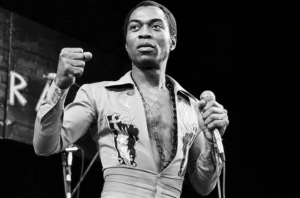
No conversation about Nigerian musicians in politics is complete without Fela Anikulapo-Kuti. The Afrobeat pioneer spent much of his career using his music to challenge Nigeria’s military governments, and in 1979 he took that activism a step further by forming his own political party, the Movement of the People (MOP), with the intention of contesting for the presidency. Nigeria’s electoral body at the time declined to register the party, so Fela never appeared on a presidential ballot, but his attempt remains one of the earliest and boldest examples of a Nigerian musician trying to convert cultural influence into formal political power.
Banky W: From Love Songs to Legislative Ambition
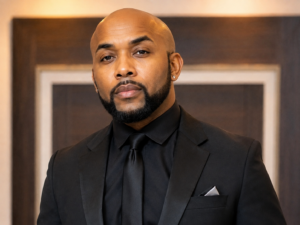
Olubankole Wellington, better known as Banky W, is arguably the most prominent example of a modern Nigerian musician turned career politician. The singer, songwriter, and record label founder announced his political ambitions in 2018, contesting the 2019 House of Representatives election for the Eti-Osa Federal Constituency in Lagos under the little-known Modern Democratic Party. He lost to the candidate of the ruling All Progressives Congress.
Rather than walk away, Banky W joined the Peoples Democratic Party and won its ticket for the same seat ahead of the 2023 general election, campaigning heavily on youth participation and “grassroots” politics. He again fell short at the polls, but his repeated attempts have made him one of the most visible faces of a younger generation of entertainers pushing for a seat at the political table rather than simply commenting from the sidelines.
9ice: Grassroots Politics and a Public Appointment
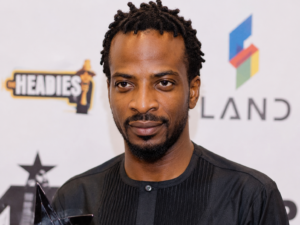
Singer Abolore Akande, popularly known as 9ice, tried his hand at elective politics in 2015, contesting for a House of Representatives seat in Oyo State but losing at the party primary stage. Although the elective bid didn’t succeed, it opened the door to an appointed role: he was later named Special Assistant on Youth Matters under the administration of former Oyo State Governor Abiola Ajimobi, a position that let him channel his political interest into youth-focused government work without needing to win a ballot.
Onyeka Onwenu: The Voice That Also Governed Culture
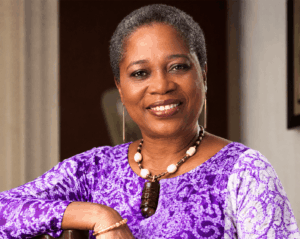
The late Onyeka Onwenu, one of Nigeria’s most celebrated singers and actresses, also had a hand in public administration. She served as chairperson of the Imo State Council for Arts and Culture, using her decades of industry experience to help shape state-level cultural policy. Her career is a reminder that “musician turned politician” doesn’t always mean contesting an election for some artists, the political journey runs through appointed cultural and administrative roles instead.
Yinka Ayefele: Gospel Music Meets Public Infrastructure
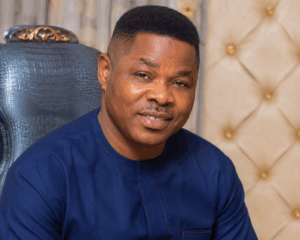
Gospel and Fuji-influenced musician Yinka Ayefele, also known for founding the Fresh FM radio network, has built a close relationship with successive Oyo State governments. In 2025, Governor Seyi Makinde appointed him chairman of the committee overseeing the upgrade of the Ibadan Airport, one of the state’s flagship infrastructure projects. It’s a clear example of how a musician’s public trust and media reach can translate into a formal, if non-elective, government role.
Honorable Mentions: Musicians Who Flirted With Politics
Not every artist who has dipped a toe into Nigerian politics has gone on to hold office. Pop star D’banj became a household name in political circles after publicly supporting Goodluck Jonathan’s 2011 presidential campaign, a move that briefly stirred controversy among fans before his career recovered. Fuji star Alhaji Abass Akande, known as Obesere, was closely associated with political campaigning around the 2015 elections without contesting for a seat himself. Reggae and galala artist Daddy Showkey has publicly said he’s open to running for office to represent his Ajegunle community, though he has yet to formally contest. These cases show that the line between “politically active musician” and “musician turned politician” can be a blurry one.
The Challenges of Being a Musician-Politician in Nigeria
Crossing over from entertainment to politics in Nigeria is rarely simple. Musicians who contest elections often face skepticism about whether fame can substitute for grassroots political structure, funding, and party godfatherism the informal but powerful influence of established political power brokers. Banky W’s two unsuccessful runs illustrate how a large social media following doesn’t always translate into votes on election day, especially against well-financed establishment candidates.
There’s also the question of public scrutiny. Musicians who enter politics trade the relative freedom of artistic expression for the intense accountability that comes with public office or party membership, and every past lyric, comment, or association can resurface as political ammunition.
What This Trend Means for Nigeria’s Political Future
Despite the setbacks, the movement of musicians into Nigerian politics shows no sign of slowing down. As more young Nigerians demand generational change and youth-focused leadership, entertainers with genuine grassroots credibility are increasingly seen as viable candidates rather than novelty contestants. Whether through elective office, government appointments, or advocacy that shapes public opinion, Nigeria’s musicians are steadily building a track record in governance that previous generations of artists rarely attempted.
Frequently Asked Questions
Which Nigerian musician tried to run for president? Afrobeat legend Fela Kuti attempted to run for president in 1979 through his own party, the Movement of the People, though the party was never officially registered for the election.
Did Banky W ever win a political election? No. Banky W contested the Eti-Osa House of Representatives seat in both 2019 and 2023 and lost both times, though he remains active in youth political advocacy.
Are any Nigerian musicians currently holding government positions? Yes. Yinka Ayefele currently chairs a state government committee overseeing the Ibadan Airport upgrade in Oyo State, and other artists have previously held special adviser and cultural-council roles.
Why do Nigerian musicians go into politics? Common reasons include a desire for better governance in their communities, existing public trust and name recognition, and, in some cases, direct appointments from state governments looking to engage youth and creative-industry stakeholders.
Conclusion
From Fela Kuti’s defiant 1970s presidential bid to Yinka Ayefele’s modern-day infrastructure role and Banky W’s repeated legislative campaigns, Nigerian musicians have carved out a genuine, if uneven, path into politics. Some have won appointments, some have lost elections, and others have simply used their platforms to keep governance conversations alive. As Nigeria’s political landscape continues to evolve, don’t be surprised if more familiar voices from the music industry start showing up on ballots and in government offices in the years ahead.